By 2020, former college football player Cameron Colvin was enjoying a self-made reputation as a billionaire philanthropist. Once celebrated in the media for overcoming personal tragedy—his story even dramatized in the film When the Game Stands Tall—he is now facing mounting legal troubles, including civil judgments, a federal RICO case, and an FBI probe.
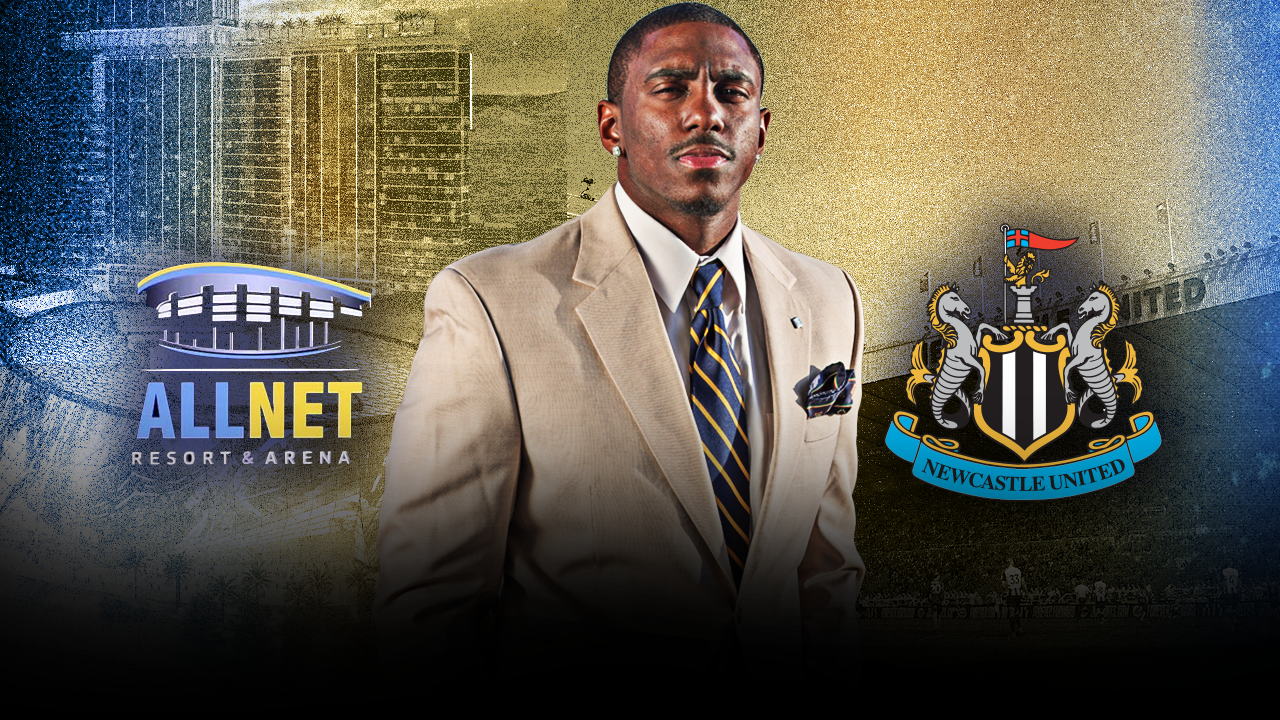
Back in 2020, Colvin pledged a $200 million donation to an Arizona Goodwill branch, one of several high-profile commitments that never materialized. At the same time, he portrayed himself as a financier involved in major ventures, including Henry Mauriss’ failed attempt to buy Premier League side Newcastle United and Jackie Robinson’s All Net Arena project in Las Vegas. In hindsight, those claims appear more illusion than reality.

Colvin’s dealings with both projects overlapped through financial advisor Charles “Chad” Pouliot of the now-defunct Bridgeway Wealth Partners. Neither arrangement delivered results. In the case of Newcastle, Colvin’s company CamCo signed a $500 million bond agreement with Mauriss’ ClearTV but failed to make the required payments. ClearTV’s lawyers accused him of stalling with excuses, and the deal collapsed without litigation.
Meanwhile, in Las Vegas, Colvin positioned himself as a key backer of Robinson’s $4.9 billion arena and resort plan. Letters presented to Clark County officials suggested he could secure hundreds of millions in financing. But those assurances fell apart, with accounts closed after due diligence raised red flags. Robinson ultimately cut ties with Colvin, and by 2023 county commissioners denied further extensions, ending the long-stalled project.
Colvin’s lawyer, Christopher Frost, insists his client is a legitimate businessman who has become a target for opportunists, but critics argue he has repeatedly signed large deals he could not fund. More recently, Colvin has been sued by a woman claiming he failed to repay $1.1 million in personal loans.