
Leeds United Face Tight January Market Under PSR Pressure
In modern football, the January transfer window is less a period of opportunity and more a time for crisis management. Premier League clubs often use it as a lifeline rather than a launchpad — stepping in when injuries mount or when reinforcements are desperately needed.

This sense of urgency is heightened in years when the Africa Cup of Nations (AFCON) takes place. The tournament, usually staged mid-season, often strips clubs of key African talents for several weeks. In past editions, stars like Mohamed Salah, Mohammed Kudus, and Antoine Semenyo have all departed mid-campaign to represent their countries.
Clubs with multiple African players tend to be the most active in January. Sunderland, for instance, currently have nine players from the continent — the highest number in the Premier League. Depending on international call-ups, they could lose most of them between late December and mid-January.
Despite this challenge, Sunderland’s modest wage bill and strong Profit and Sustainability Rules (PSR) record over the past three years give them room to operate in the upcoming window if needed.
Leeds United, however, face a contrasting reality. They will not lose anyone to AFCON but have already reached their PSR limit after spending over £100 million in the summer. Managing director Robbie Evans confirmed that the club’s spending has left no space for major January moves without player sales.
The potential signing of Harry Wilson earlier in the summer would have required an outgoing transfer either in January or before the next PSR cycle resets on July 1.
Evans has been open about the club’s cautious approach:
“Whether it’s the window, the free agent market, or January itself, it’s all about what the team actually needs,” he said in September. “Once we get through the first 10 games, we’ll reassess if necessary — but the goal is to avoid January if possible.”
That plan could change, of course, if injuries strike or results dip. Leeds might explore buying before selling — bringing a player in first, then moving others on before June 30 to balance the books. Yet that approach carries risk, especially when other clubs are reluctant to gamble with their own PSR limits.
If Leeds choose to sell before buying, their realistic options are limited. Illan Meslier could attract interest, but with his contract running down, few clubs will pay a fee when he can sign a pre-contract in January. Wilfried Gnonto and Pascal Struijk could generate profit, though their departures would weaken the squad.
Two outside possibilities exist: if Werder Bremen trigger purchase clauses for Isaac Schmidt and Max Wober, or if Charlie Cresswell moves again — Leeds would receive 15% of any sale above his £3.8 million fee from 2023.
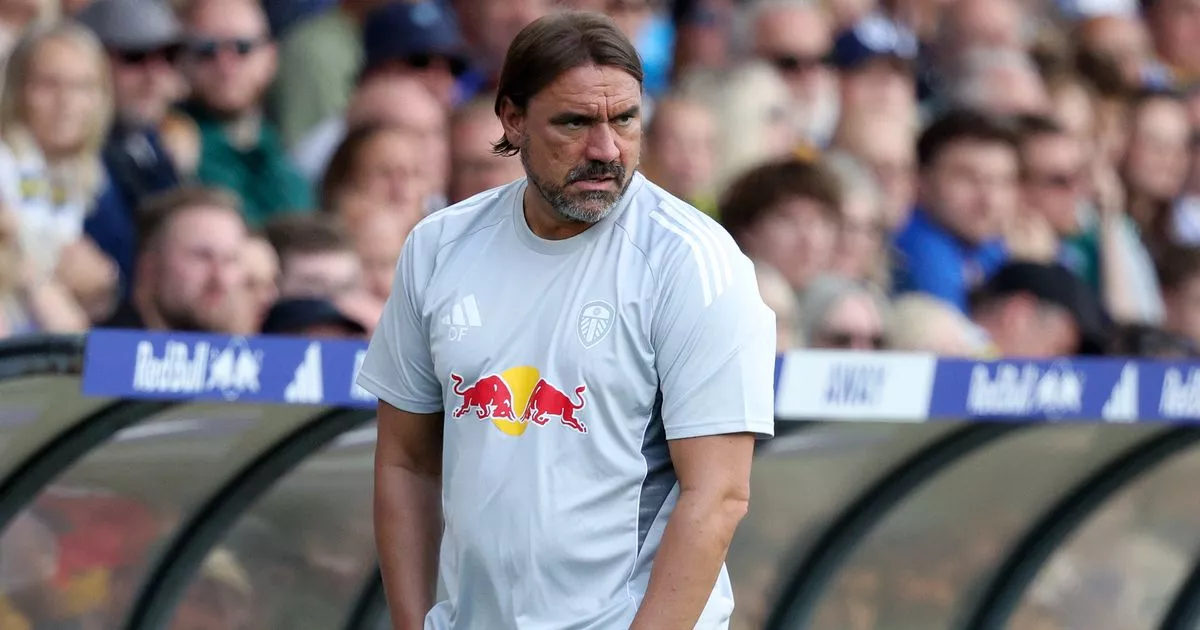
Realistically, Leeds may only manage one incoming transfer this winter unless a significant sale occurs. Both Daniel Farke and the 49ers ownership group have shown little appetite for major mid-season spending, and that cautious stance is unlikely to shift unless the campaign takes an unexpected turn.