
Norwich City pause Carrow Road redevelopment plans following fan backlash
Norwich City have confirmed they are pausing their controversial redevelopment plans for Carrow Road after facing significant opposition from supporters.
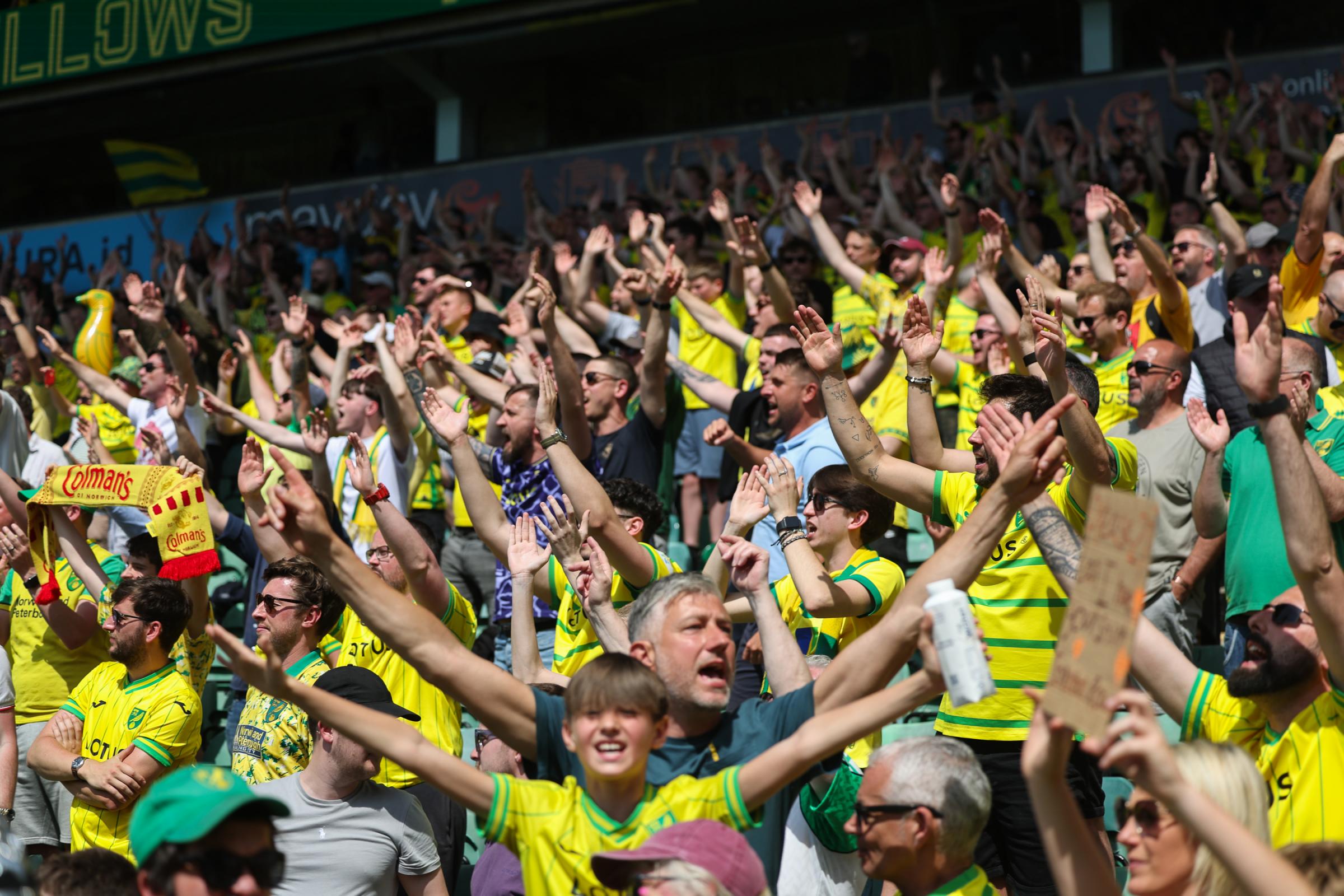
Earlier this month, the club unveiled proposals to revamp the stadium, which included creating a new fan zone, expanding corporate seating, and relocating season ticket holders from the Lower River End to accommodate away fans.
However, the announcement sparked anger among supporters who said they had not been consulted before the plans were revealed. Tensions escalated during an open meeting where executive director Zoe Webber and finance and operations director Anthony Richens addressed frustrated fans.

Majority shareholder Mark Attanasio revealed the decision to suspend the redevelopment during a BBC Radio Norfolk phone-in, explaining that the club would take time to engage with supporters before making any final decisions.
The project—divided into four phases—had been scheduled to begin ahead of next season. Those plans are now on hold following the intervention of Attanasio’s Norfolk Holdings Group.
Since the announcement, the Canaries Trust and Supporters’ Panel have been in daily communication with the club, relaying the strength of fan opposition. Although both groups were shown the plans beforehand, they were not consulted prior to the public release.
Attanasio’s ownership group remains committed to modernising Carrow Road but intends to review alternative options.
In a statement following the BBC appearance, the club said:
“Following our recent announcement on proposed development works to Carrow Road, we are conscious of the response and concerns from supporters. We have therefore decided to postpone the work to allow time for further consultation and refinement of the plans.
“Carrow Road has been our home for 90 years and has not undergone major redevelopment for over two decades. We recognise the need to invest in improvements that enhance the supporter experience while preserving the stadium’s unique character and heritage.
“By delaying the project, we can continue to engage with supporters, present alternative options, and ensure any future developments reflect what’s best for everyone.”