
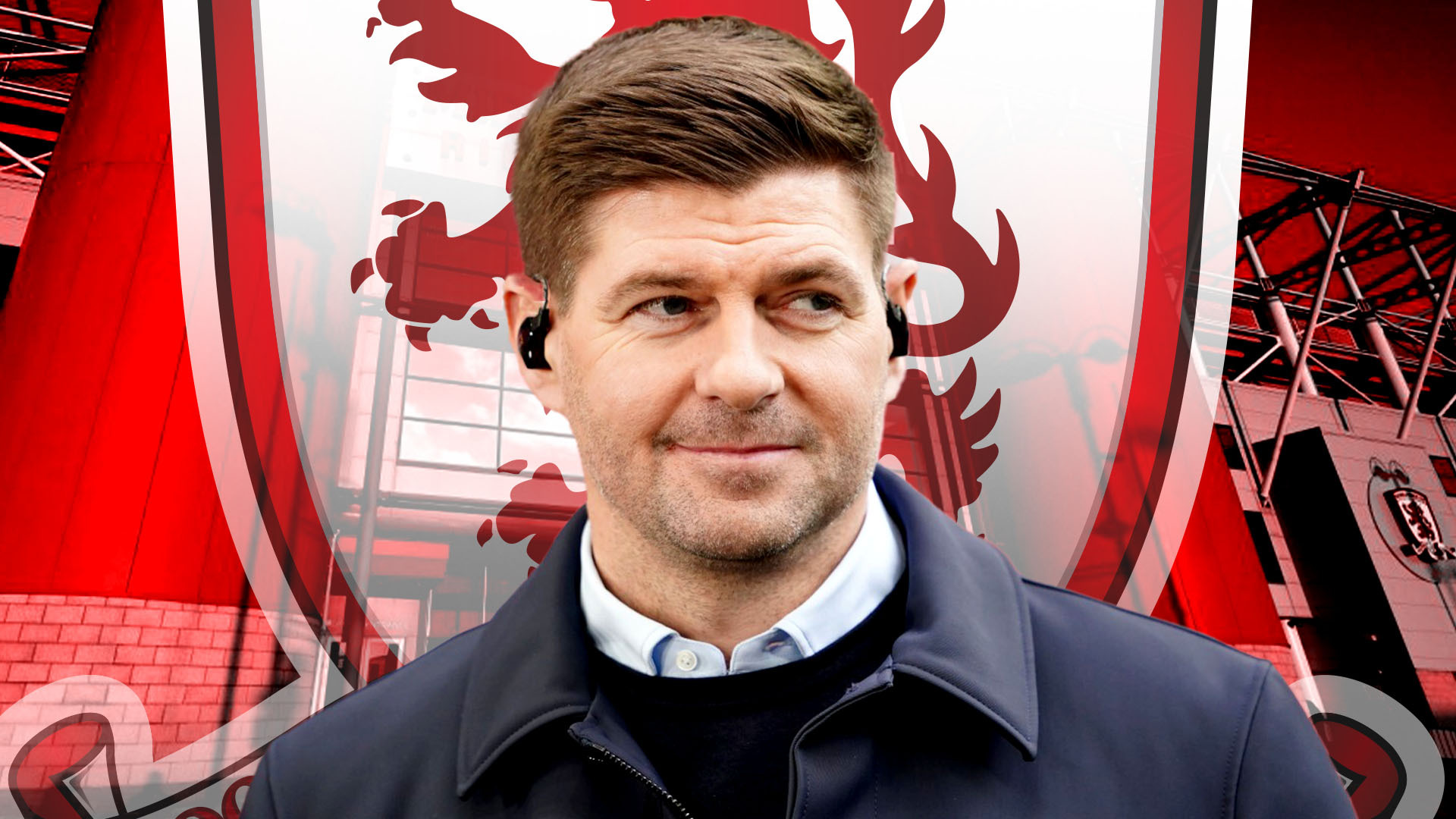
Steven Gerrard gives conditions to Middlesbrough after accepting a coaching deal with them
Steven Gerrard has reportedly accepted a coaching deal with Middlesbrough FC, but only under a number of stringent conditions. The former Liverpool captain — turned manager — has set out clear parameters for his return to management, signalling that he is no longer willing to sign for any club unless the architecture and ambition match his own vision.
Background: why this matters
Gerrard’s managerial journey has been far from straightforward. After an illustrious playing career, primarily with Liverpool FC, he stepped into management — first with Rangers FC, then Aston Villa FC and later Al‑Ettifaq FC in Saudi Arabia. With Rangers he enjoyed major success; subsequently his stints proved more challenging. Most recently, he has maintained a watchful wait for the right opportunity, insisting that any role must align with his professional expectations and personal readiness.
For Middlesbrough, a club competing in the EFL Championship and looking to assert itself as a genuine contender for Premier League status, the hiring of Gerrard would mark a bold statement. The club has gone through a managerial change, confirming their intentions to rebuild and aim higher. In this context, Gerrard’s arrival — with conditions — offers both opportunity and risk.
Gerrard’s conditions laid out
According to sources close to the process, Steven Gerrard has stipulated that before formally taking charge, the club must satisfy several key demands:
- A club with ambition to win – Gerrard has openly said he does not want to join a club simply to hold its place or tread water. He wants to “compete to win” and to be part of a project where challenge and ambition are built in.
- Strong support structure – Having experienced managerial roles where constant change and instability hampered progress, Gerrard is keen on a stable coaching staff, clear decision‑making lines, and backing from the board and sporting hierarchy. He has emphasised the need for “good support” in terms of personnel and infrastructure.
- Control and influence – While he may not demand total autonomy, Gerrard expects to have significant input over selection, transfers, recruitment and the shape of the coaching team. The partnership between manager and club must be one of trust and empowerment.
- Clear targets and timeframes – Gerrard has suggested that any club he joins must have short‑term goals (promotion, playoffs) but also a realistic medium‑term plan (sustainable Premier League presence). He is reportedly uninterested in “rebuilding for five years” if there is no immediate push.
- Alignment with values – As manager, Gerrard wants to work for clubs whose culture and identity reflect his own values: attacking intent, player development, community connection. The club’s ethos must resonate.
In essence, Gerrard is positioning himself to enter only when the fit is not just right — but near ideal. He appears to have become more selective after his earlier managerial experiences.
Why Middlesbrough is appealing — and what it needs to deliver
For Middlesbrough, the opportunity to bring in Gerrard is a major one. The club have a strong fanbase, a stadium with potential, and a history of punching above their weight. The recent managerial turnover has indicated a willingness to reset. This could be the moment the club use to elevate themselves.
Specifically, Middlesbrough ticks several of Gerrard’s boxes:
- They are currently among the more competitive teams in the Championship, believing in promotion possibilities.
- Their infrastructure has room for improvement, meaning Gerrard could shape the next phase.
- The board appears ready for ambition, so long as that ambition is matched by planning.
However, to satisfy Gerrard’s conditions, the club must act on several fronts:
- Back the recruitment: A manager of Gerrard’s profile expects financial and strategic backing to bring in players and staff aligned with his vision.
- Commit to stability: Frequent managerial or boardroom upheaval would dissuade him.
- Define the roadmap: The club must present a clear plan: short‑term push for the Premier League, plus a longer‑term blueprint for staying there.
- Agree on control: There must be clarity on Gerrard’s remit — and buy‑in from the club hierarchy.
If Middlesbrough deliver on these fronts, they stand to gain a high‐profile manager whose star power alone will raise expectations, interest and possibly investment.
What Gerrard brings to the table
Gerrard’s candidacy offers several advantages for Middlesbrough:
- He has experience of winning a title (Scottish Premiership with Rangers) and breaking patterns of dominance elsewhere.
- He carries strong name recognition and leadership qualities from his playing days — this can help in recruitment, media profile and galvanising the squad.
- His understanding of British football culture and his ambitions to learn from past roles means he is entering this phase wiser and more selective.
For the players and supporters, Gerrard’s arrival would signify intent: a message that the club are serious about progression.
Risks and potential obstacles
However, no appointment is risk‑free — especially when conditions are part of the deal.
- Expectations will sky‑rocket, both from supporters and board. If early results do not meet those expectations, the pressure will mount swiftly.
- Budget constraints: The Championship is financially squeezed. Even with backing, establishing a promotion‑challenging side while maintaining sustainability is a fine balance.
- Drawing on past managerial lessons: Gerrard’s time at Aston Villa and Al‑Ettifaq was mixed. He will need to demonstrate that he can translate lessons learned into improved outcomes.
- Reality gap: Middlesbrough must realistically match Gerrard’s ambition with resources. If the club fail to deliver infrastructure or investment, frustration may build early.
Timeline and next steps
While Gerrard is reported to have “accepted a coaching deal” in principle, the agreement is conditional and subject to the club meeting his requirements. At present:
- The club and Gerrard are in discussions finalising the formal contract, staff structure and support mechanisms.
- Middlesbrough’s board are reportedly working on presenting the roadmap to Premier League return and the package to Gerrard.
- Fans and media will expect announcements shortly — but insiders indicate the club will not rush; they prefer to get the structures right rather than simply make a headline signing.
If every box is ticked, Gerrard’s signing could be unveiled within the next several days or weeks — but if not, he may walk away and wait for a more ideal opportunity.
What this means for the Championship and beyond
If Gerrard takes the job, it will add further intrigue to the Championship’s already competitive landscape. His presence will:
- Likely increase interest in Middlesbrough’s fixtures, ticket sales and wider commercial engagement.
- Raise the profile of the Championship as a viable destination for high‑profile managers wanting to rebuild careers.
- Put pressure on rival clubs to respond — either by upgrading their own managerial appointments or investing more aggressively.
From Gerrard’s perspective, this is a pivotal moment. He has previously spoken about “unfinished business” in management. A successful spell at Middlesbrough could re‑establish his credentials in English football and set him on course for top‑flight opportunities.
Quotes and context
Though Gerrard has not yet made an official announcement, past remarks provide insight. On a podcast appearance, he commented that he would only join a club with the right support and ambition: “I want a team that’s going to compete to win because I think that suits me better.”
Meanwhile, club sources indicate that Middlesbrough’s hierarchy believes they can meet these demands — and that the timing is right to bring in a manager of Gerrard’s calibre.
What supporters should watch for
For Middlesbrough fans, key things to observe in the coming days include:
- Official announcement of Gerrard’s appointment — which will likely be accompanied by details on contract length, staff appointments and initial transfer targets.
- Presentation of the plan — whether the club reveal a public roadmap or remain tight‑lipped. Transparency will signal confidence.
- Recruitment moves — early signings who match Gerrard’s style and ambitions could show that the club are serious about backing him.
- Staffing appointments — the backroom team Gerrard brings (or retains) will be critical; he has stressed the importance of a strong supporting group.
- Early results — though early matches don’t define a tenure, a strong start would galvanise the fanbase and build momentum.
The broader football narrative
Gerrard’s approach illustrates a shift in how high‑profile managers operate. Rather than simply accepting any role, many now emphasise fit over convenience: project, support, infrastructure. This reflects broader changes in football management — increased pressure, more scrutiny, and fewer “safe” jobs. Gerrard appears to have learned that lesson and is applying it.
For Middlesbrough, this partnership could mark a turning point. The Championship is littered with clubs vying for promotion, and the margin between flying or stagnating is small. Securing a manager who insists on high standards could push the club past rivals and into the Premier League conversation.
Final thoughts
In summary: Steven Gerrard accepting a deal with Middlesbrough — provided his conditions are met — is a move loaded with significance. It signals ambition on both sides: Gerrard’s desire to get back on track, and Middlesbrough’s intention to raise their game.
If the arrangement works — and if the club deliver the support Gerrard demands — the benefits could be substantial. But if the support wavers or expectations become unrealistic, this move could instead become a cautionary tale. Both parties have much to gain, and both are under pressure to deliver.
For now, the spotlight will be on Middlesbrough’s board to demonstrate they can match their manager’s ambition. Gerrard has set the bar high — now the club must clear it.